
Mole & Lesion Removal in Newport Beach
Understanding your mole removal options, potential risks, and aftercare can help you make an informed decision. Equally important is choosing the right doctor. Dr. Jon M. Grazer combines advanced plastic surgery techniques with artistic precision to help you feel more confident, with a focus on minimizing scarring.
In-office consultation · Self-pay practice
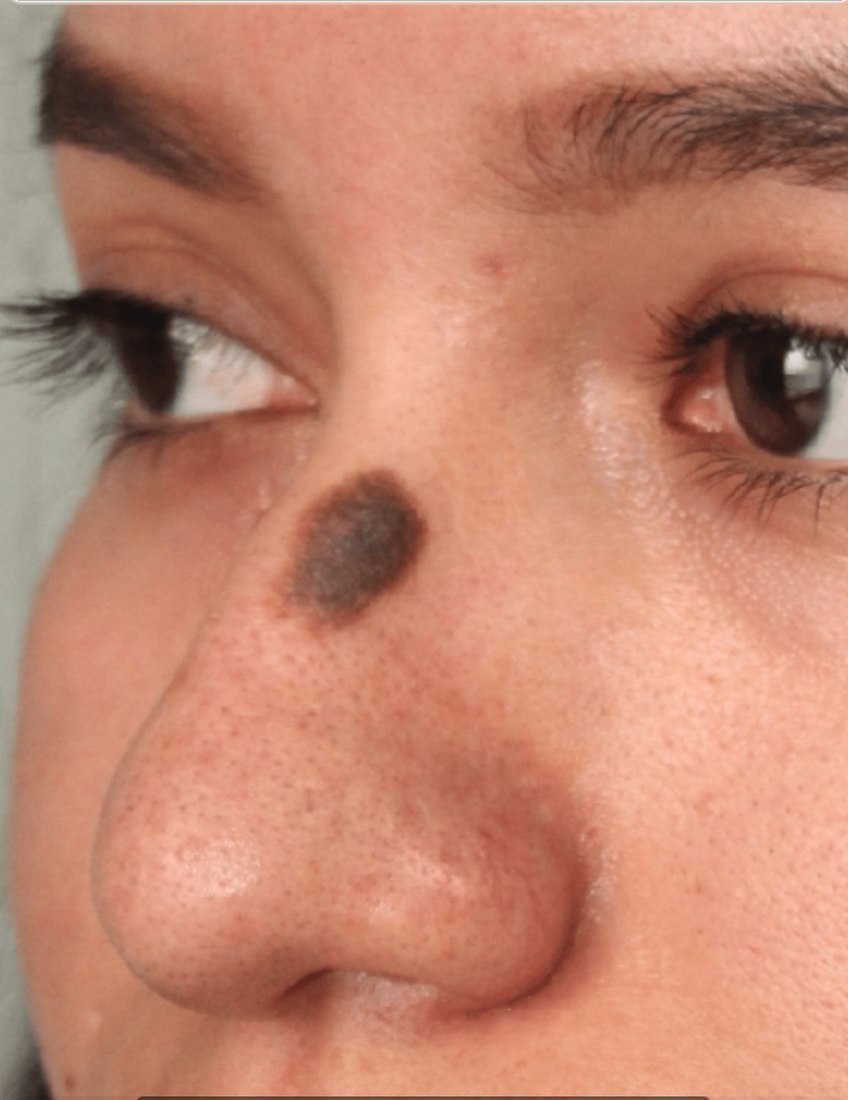
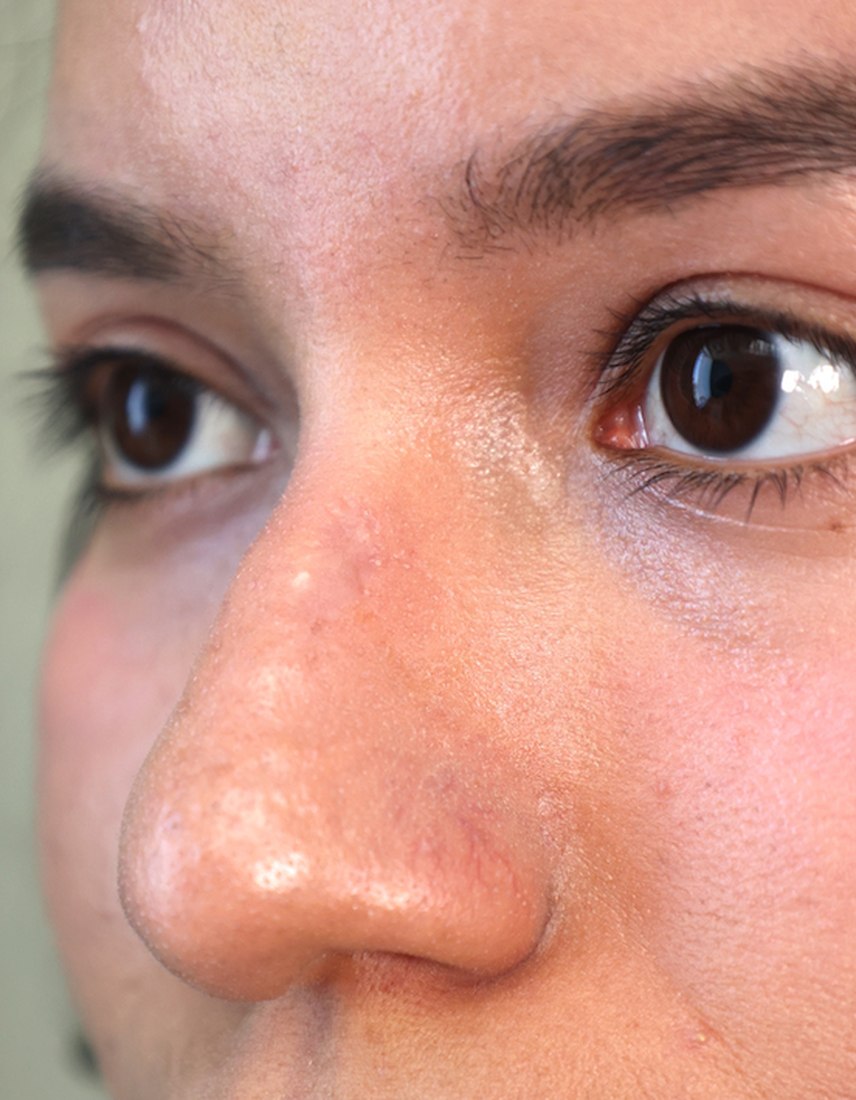
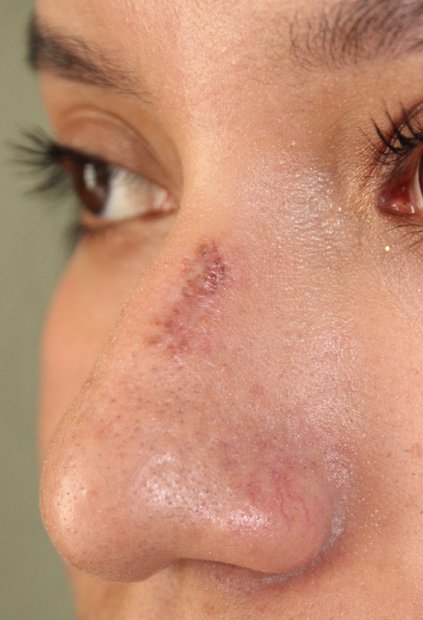
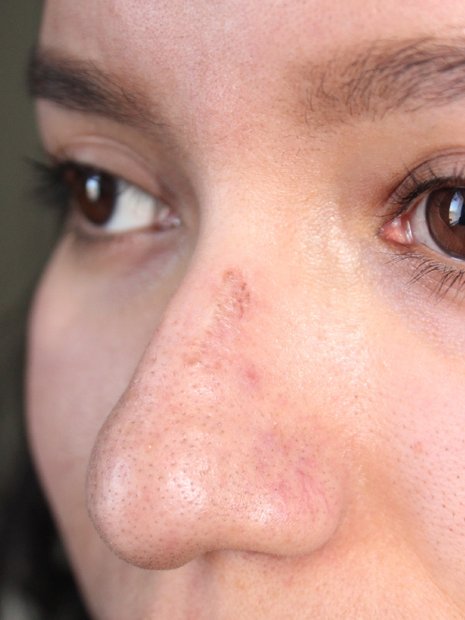
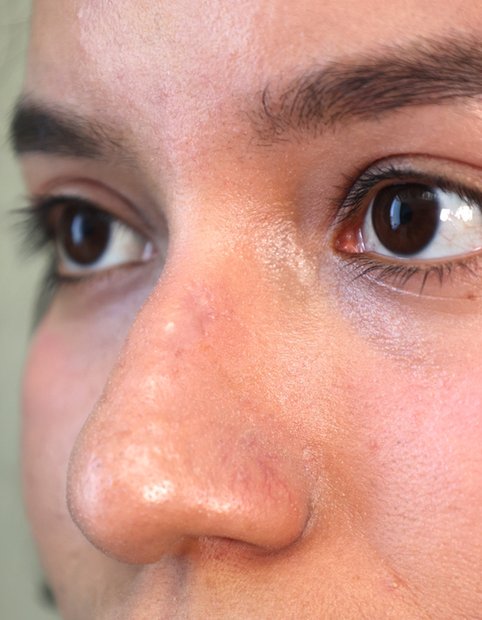
Actual patient of Dr. Grazer following the removal of a nasal mole in two stages. The after photo shows the long-term result. Individual results may vary.
Board-certified Plastic Surgeon in Newport Beach

Dr. Jon M. Grazer is a board-certified plastic surgeon with more than two decades of experience in cosmetic and reconstructive surgery. A second-generation plastic surgeon, he brings careful attention to detail and a focus on cosmetic outcomes to procedures of all sizes, including mole and lesion removal.
Dr. Grazer earned master’s degrees in anatomy and public health at Tulane University before attending medical school at Louisiana State University in New Orleans. He completed general surgery training at Tulane, a plastic surgery fellowship at Penn State, and additional training in microsurgery at the University of Pittsburgh. He has also served as president of the Orange County Plastic Surgery Society.
Even a small procedure deserves meticulous care. As a board-certified plastic surgeon with specialized training in cosmetic and reconstructive surgery, Dr. Grazer brings surgical precision and an aesthetic eye to mole and lesion removal, focusing on preserving surrounding skin and minimizing visible scarring.
Is Mole Removal Right for You?
People consider mole removal for several reasons. Dr. Grazer can examine the area, discuss your concerns, and recommend whether removal or further evaluation is appropriate.
A raised mole may catch on clothing or jewelry, get nicked while shaving, or become irritated by friction.
You may dislike how a mole looks or feel self-conscious about its size or location. A consultation can help you understand your removal options and the potential for scarring.
A mole that looks unusual or changes in size, shape, or color should be evaluated. Depending on the findings, a biopsy or further testing may be recommended.
What Patients Say


The mole was on my face, and I couldn’t hide it. I put off having it removed because I worried the scar might look worse than the mole itself. Dr. Grazer explained the procedure and the trade-offs clearly, which helped me feel comfortable moving forward. Now the mole is gone, and even I have to look twice to find the scar. My only regret is not doing it sooner.Nancy — Dana Point, CA
Your Consultation
Your care begins with a personalized 1:1 consultation. We take time to listen to your concerns, explain your options, and answer your questions so you feel informed and comfortable with the next steps.
Your Assessment
Dr. Grazer examines the lesion in person, evaluating its depth, size, and location to determine the most suitable treatment approach.
Your Personalized Treatment Plan
Based on your assessment, Dr. Grazer recommends a treatment plan tailored to your needs, with the goal of achieving the best possible cosmetic result.
Scheduling & Aftercare
Our coordinators provide and review consent forms outlining the procedure’s risks, answer your questions, explain aftercare instructions, and review pricing and financing options with you. When you’re ready, they will help schedule your procedure and follow-up appointments.
Mole & Lesion Removal Techniques
Moles, birthmarks, and other skin lesions are treated with one of a few methods. Dr. Grazer selects the technique based on the lesion’s size, depth, and location, and on the closure that will leave the least visible trace.
Surgical excision
The area is numbed with a local anesthetic, and the lesion is removed with a sharp blade down to a clean margin. Depending on size and placement, the site may be closed with sutures. This is the standard approach for larger or deeper lesions, and for anything that needs to be sent for pathology.
Laser treatment
The laser is tuned to a wavelength absorbed by the pigment or blood vessels within the lesion, which heats and breaks down the treated tissue while sparing the surrounding skin. The body then clears the treated tissue naturally over the following weeks. It’s generally associated with less downtime and bruising than an excision, and is best suited to certain birthmarks and vascular or pigmented lesions.
Regardless of which technique is used, for most patients, mole and lesion removal is a single, quick in-office procedure performed under local anesthesia. Your timeline depends on the size, depth, and nature of the spot.
Recovery & Aftercare
Dr. Grazer uses meticulous plastic surgery closure techniques designed to leave the faintest possible footprint.
A small bandage or ointment covers the area. Mild tenderness, similar to a minor scratch, is easily managed.
Surface stitches are typically removed. The spot looks like a fresh, pink scratch as new skin forms. Keep the area out of direct sun and out of the pool or ocean during this week.
Redness fades to a soft pink or flesh tone. The surface is smooth and easy to camouflage with sunscreen or makeup.
The scar matures, flattens, and blends into your natural skin tone.
Aftercare & Scar Prevention
A few simple habits in the days and weeks after your procedure make a real difference in how the area heals and how visible the final scar becomes.
Keep it clean
Wash gently with mild soap and water once you’re told it’s okay, then pat dry rather than rubbing. Follow the specific dressing instructions you’re given at your visit.
Leave the scab alone
Let it fall off on its own instead of picking at it. Once it’s off, a gentle, fragrance-free moisturizer can help the new skin settle.
Protect it from the sun
Sun exposure on a healing scar can darken it. Keep the area covered or apply sunscreen for several weeks after your procedure.
Ease back into activity
Skip strenuous exercise, swimming, and hot tubs for about a week so the area isn’t irritated while it closes.
Consider scar sheeting and gel
Once the skin has fully healed, with no open wounds or scabs, silicone sheeting or gel can help flatten and fade the mark over the following weeks. Ask your care team when it’s appropriate to start for your specific procedure.
Serial Excision: A Photo Timeline
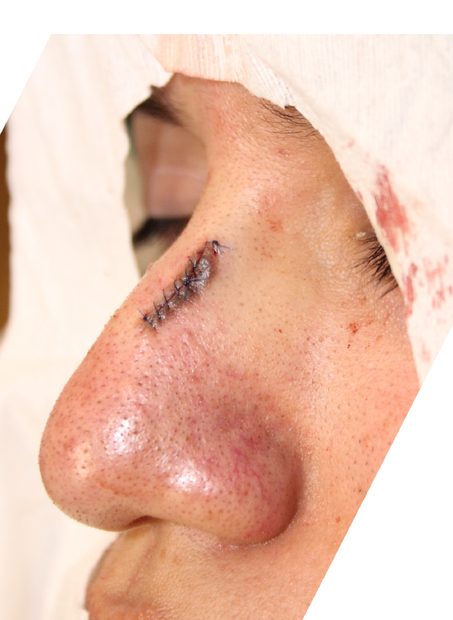
Our patient was self-conscious about a dark mole on the bridge of her nose. Given its size, depth, and position, Dr. Grazer used serial excision, removing it in two stages, four to six months apart, so the surrounding skin could heal and stretch naturally between each one. One hour per stage, under local anesthesia. The pigment is fully resolved and the nasal bridge is smooth and symmetric.
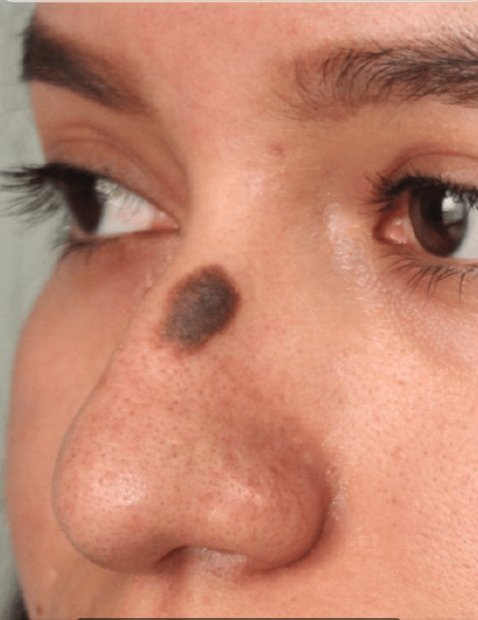
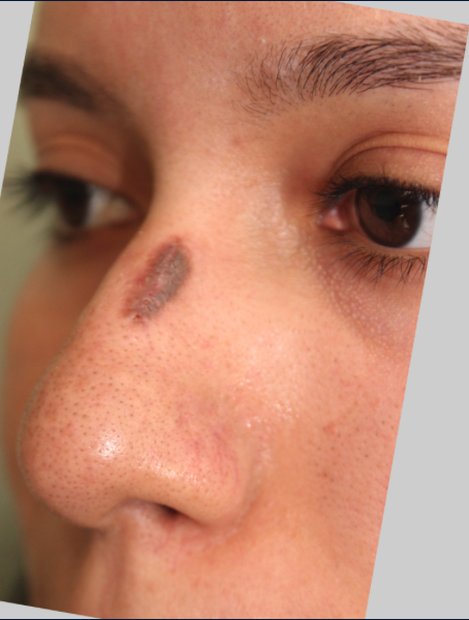
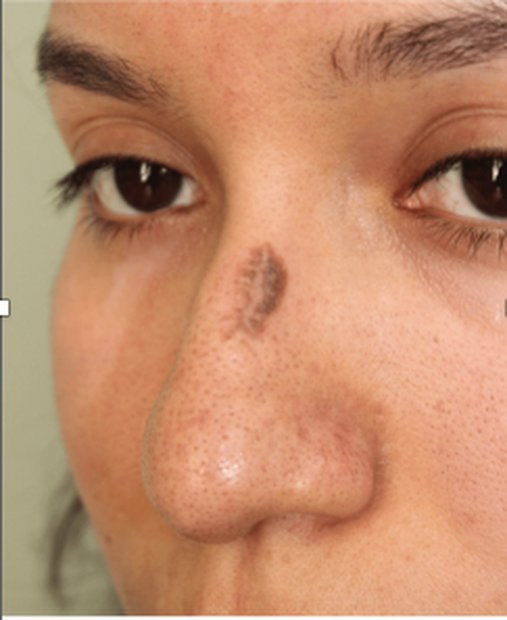
Swipe to see stage 1 →
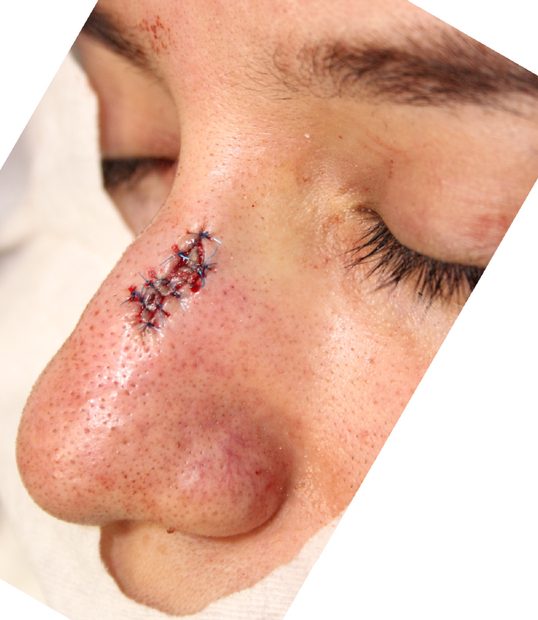
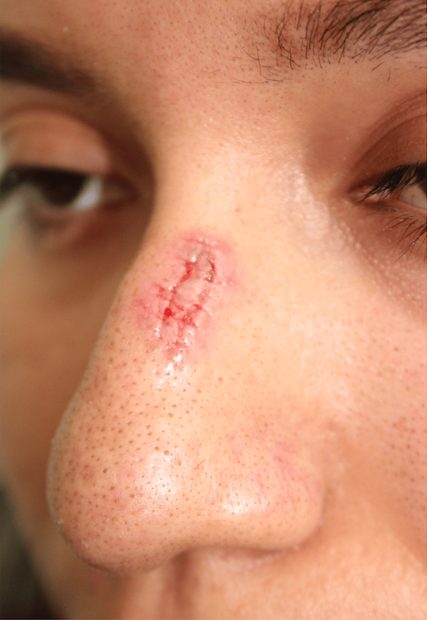
Swipe to see stage 2 →
Mole Removal Risks & Complications
Every surgical procedure, including mole and lesion removal, carries risk. Dr. Grazer discusses these directly during your consultation so you can make an informed decision, not after you have already committed to treatment.
Bleeding & infection
As with any skin procedure, minor bleeding or infection is possible. Following aftercare instructions significantly reduces this risk.
Scarring
Any incision leaves a scar. Dr. Grazer’s technique minimizes this, but the outcome depends on your skin, the lesion’s size and location, and how your body heals.
Incomplete removal or regrowth
Larger or deeper lesions occasionally require a second treatment, or in rare cases the lesion can return. Dr. Grazer will tell you upfront if this applies to your case.
Changes in texture or pigment
The treated area may look slightly different in texture or color than the surrounding skin, especially in the months right after treatment, before it fully settles.
Pathology findings
Every removed lesion is sent to a lab for pathology. In the rare case something unexpected is found, Dr. Grazer will contact you directly to discuss next steps.
Nerve damage
In rare cases, working near a small sensory nerve can cause temporary or, less commonly, permanent numbness or tingling near the site. Dr. Grazer takes care to work around any nerves in the treatment area.
Mole Removal FAQs
Will the procedure hurt?+
You’ll feel a brief pinch as the local anesthetic is placed, similar to a rubber band snap. Once the area is numb, the removal itself is painless.
Can a mole or lesion grow back after removal?+
It’s uncommon, though possible with larger or deeper lesions, which is one reason Dr. Grazer may recommend a staged approach for those cases. If you ever notice regrowth or a new change at the site, call our office so he can evaluate it.
Do you accept health insurance for mole or lesion removal?+
No, our practice operates on a self-pay basis and does not accept or process health insurance. Because Dr. Grazer is a board-certified plastic surgeon, patients choose our practice specifically for his advanced cosmetic closure techniques, which minimize scarring in prominent areas like the face and neck. You’ll receive a clear, upfront quote during your consultation, before moving forward.
Will the removal leave a permanent scar?+
Any time the skin is cut, a scar will form. As a plastic surgeon, Dr. Grazer uses meticulous suturing and advanced tissue-handling techniques designed to leave the finest, flattest, most discreet scar possible. Over several months the mark typically fades and blends into your natural skin tone. You’ll also receive a comprehensive scar-care protocol to optimize healing.
Can I return to work or normal activities right away?+
Yes, most patients return to work or light, daily activities immediately after their in-office procedure. If your lesion was removed from a high-movement area or required stitches, Dr. Grazer may advise avoiding strenuous exercise or heavy lifting for the first week so the skin heals perfectly.
Get answers. Know your options. Decide with confidence.
Choosing to remove a mole is a personal decision. A consultation with Dr. Jon M. Grazer, a board-certified plastic surgeon with more than two decades of experience, can help you understand what’s possible and what to expect.
Please fill out the form, and our patient care coordinator will call you to schedule your consultation.